Hiking Trails
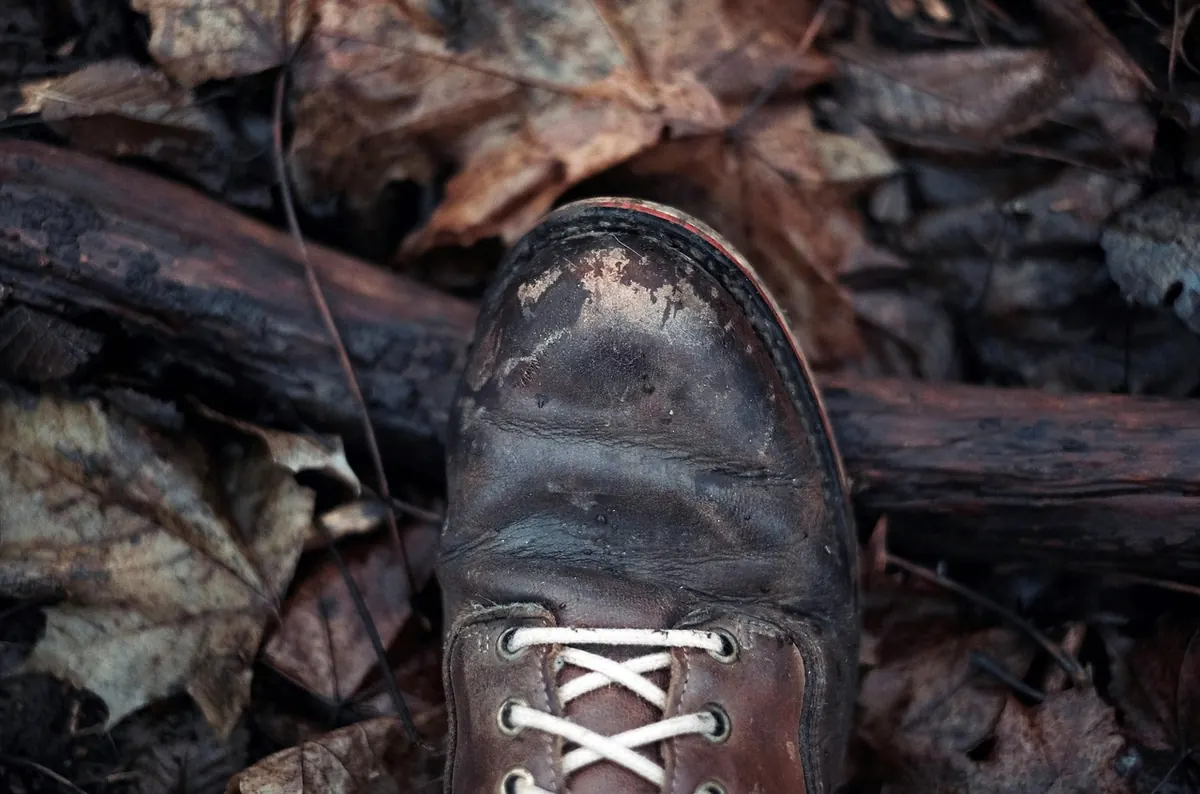
Bog Boots to Boardwalks: Choosing Footwear for Wet Moorland Trails
Moorland is honest ground. It tells you within fifty yards whether your footwear was a good idea. One moment you are on a gritstone track, the next you are ankle-deep in black peat, and a mile later a boardwalk carries you over ground that is somehow wetter than the bog you just crossed. Heather hides the holes. Tussocks roll under your weight. Streams appear where the map shows nothing at all.
Because the terrain changes so often, the question is not simply which boots are best. It is which footwear suits the particular mix of peat, rock, water and distance you have planned. Boots, wellies and trail shoes all have a place on the moors, and the wrong choice for the day will make itself known quickly.
What Moorland Does to Footwear
Four things matter on wet upland ground: water, grip, support, and how fast the whole thing dries out.
Saturated peat is the defining feature. It is soft and deep, and often covered by a thin crust of moss or heather that gives no warning. Water can sit well above ankle height on ground that looked firm from a distance. Gritstone adds a different problem, because smooth wet rock is where cheap soles slide. Then there is the abrasive stuff: heather stems, bracken stubble, sharp stones hidden under mud.
Your footwear has to cope with all of it in one walk. Compromise is normal, which is why the best choice depends on how much of each you expect.
Boots: The Reliable All-Rounder
For most people on most moorland routes, a mid-height walking boot is the sensible default. It supports the ankle on tussocks and side slopes, keeps shallow water out, and protects the foot from roots and stones. Leather boots last for years if you look after them. Fabric-and-leather boots are lighter and need less breaking in.
What to look for
- Deep, well-spaced lugs that shed mud instead of clogging into a slick plate.
- A rubber compound that holds on wet rock — softer rubber generally grips better but wears faster.
- A mid-height collar that supports without pressing on the ankle bone.
- A waterproof membrane for three-season use, and a tongue that seals properly when laced.
- Enough room in the toe box that your toes do not touch the front on a steep descent.
Boots have one real weakness. Once water comes over the top, a waterproof boot fills and stays heavy and wet for the rest of the day. There is no draining your way out of that. Deep wading and tall boots are a poor combination, which is why route choice matters as much as gear.
Wellies: Superb in the Slop, Limited Elsewhere
Tall rubber boots are the traditional answer to wet ground, and on a short route through genuine bog they are hard to beat. Water simply does not get in. You can stand in a peat pool, cross a stream without breaking stride, and hose everything down at the gate.
The problems begin when the ground turns rough or the day turns long. A wellington offers almost no ankle support, so your ankles do the work on tussocks and side slopes. Rubber does not breathe, so feet sweat and then cool. Most have shallow tread that slides on wet rock and polished stone. On a long descent they rub shins and heels.
They make sense for valley and lowland bog, short walks, fishing, dog walks, and anywhere you will be standing around in water. If you want the wet-ground benefits with more grip, look at walking wellies built with a proper lugged sole and a neoprene lining. They are heavier and warmer, and they still lack the structure of a boot.
Trail Shoes: Fast, Breathable, and Often Wet
Trail shoes and light hiking shoes are now common on moorland paths, and on the right day they are excellent. They are light, so you lift less with every step, and a good pair grips wet rock better than most boots.
The trade-off is obvious. Mesh shoes let water in within minutes of stepping into wet peat, and let it out again just as quickly. That is not a design fault; it is the point. Feet that drain and dry are far more comfortable than feet sloshing inside a boot full of water. Wear wool socks, and carry a spare pair for the walk back.
Waterproof trail shoes split the difference. They keep out shallow water, wet grass and light rain. Once water comes over the collar, though, the membrane holds it in and they take a long time to dry.
They suit summer and early autumn, established paths, boardwalk-heavy routes, and fast light days where you accept wet feet as part of the deal. They do not suit deep peat, cold weather, heather bashing, or a heavy pack.
Socks and Gaiters Do Half the Work
You can own the best boots on the shelf and still have a miserable day in the wrong socks. Wool and wool-blend socks cushion, insulate when damp, and resist odour. Cotton holds water against the skin and chills your feet fast.
- Take two pairs: one to wear, one dry pair sealed in a bag.
- Try boots on with the socks you actually walk in, at the end of the day when feet are slightly swollen.
- Use a heel-lock lacing pattern if your heel lifts on climbs.
- Add ankle gaiters for heather and grit, knee gaiters for deep peat and bog.
Gaiters earn their place on wet moorland. They keep peat and grit out of the boot collar, protect trousers from heather, and add a layer of warmth over the ankle. They will not keep you dry in a bog, but they make a wet walk much more tolerable.
Wet feet are uncomfortable. Cold, wet feet are a genuine problem. If your feet get cold easily, treat warmth as the priority and choose footwear accordingly.
Matching Footwear to the Day
Rather than owning one perfect pair, think about the route you are actually walking.
- Deep peat, standing water, short route: wellies or tall boots, with gaiters.
- Long route mixing rock, boardwalk and bog: mid-height boots with a waterproof membrane.
- Summer, established paths, boardwalk: trail shoes, plus spare socks.
- Frequent stream crossings and no chance to dry: non-waterproof shoes or boots that drain.
- Heavy pack or rough, pathless ground: boots, without question.
Read the route description before you pack. A walk that spends four miles on boardwalk and two on firm track is a trail shoe day. A walk that crosses three named bogs is not.
After the Walk: Cleaning, Drying and Care
Moorland mud is acidic and gritty, and it will eat stitching and liners if you leave it on. Rinse boots and wellies with cool water and a brush when you get home. Pull the insoles out and dry them separately. Stuff damp leather boots with newspaper and let them dry at room temperature, well away from radiators, fires and hot cars, which crack leather and warp soles.
Do not force-dry trail shoes in a tumble dryer. Let them air, then check the laces, eyelets and rand for wear before you store them. Reproof leather and fabric boots at the end of the season, not the morning you need them. Wellies go upside down so water drains out of the toes.
One last thing: if your feet blister on every walk, or you get persistent pain in the heel, arch or toes, the fix may be fit and foot health rather than a new pair of boots. A podiatrist or a good boot fitter can help you work out which. Getting that right is worth more than any clever sole technology.
Photo: fredrikwandem / Pixabay
Related Articles