Wildlife
Heather Moorland Through the Year: A Seasonal Wildlife Calendar
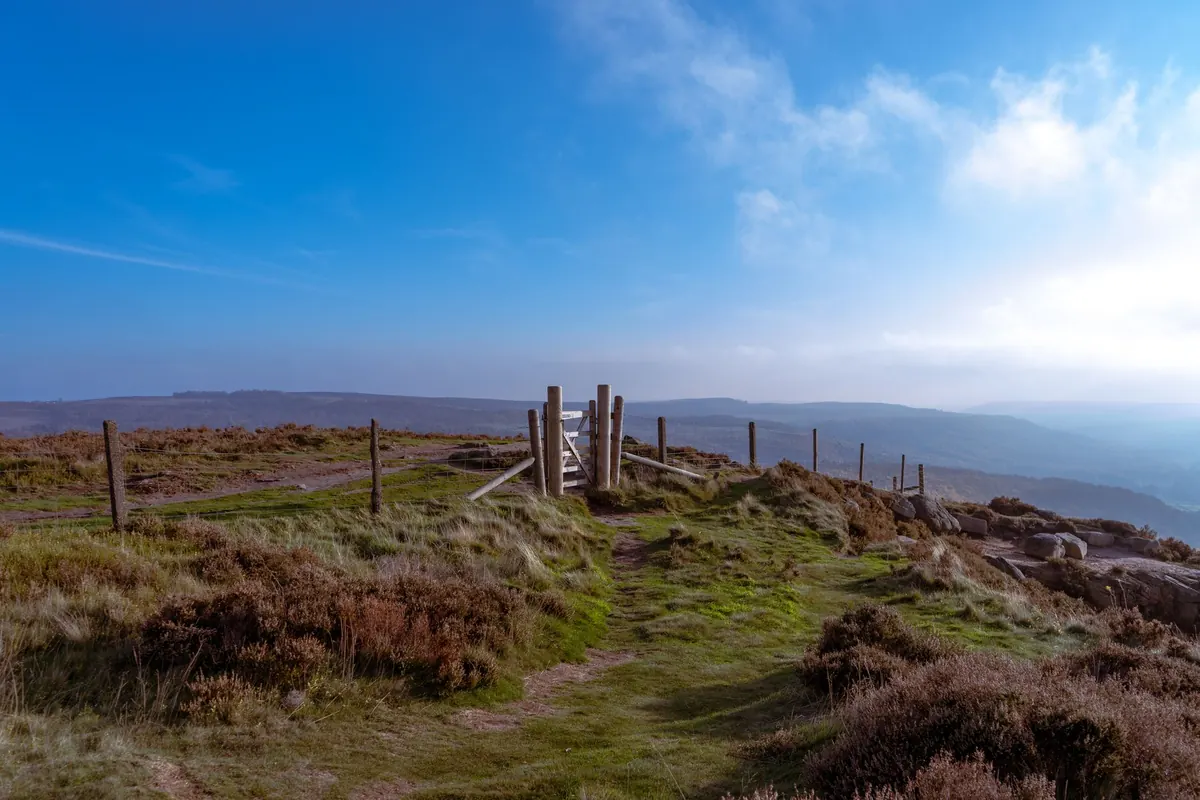
A heather moor can look almost empty from the road: a brown plateau, wind, sky, and not much else. Walk it in January and you might see nothing for an hour, then a red grouse explodes from under your boots and the place rearranges itself. Moorland wildlife is spread thin and moves with the seasons, so the trick is knowing what is likely to be where, and when. This calendar follows the year on the heather, from the first adders of March to bellowing stags in October.
Winter: reading the quiet months
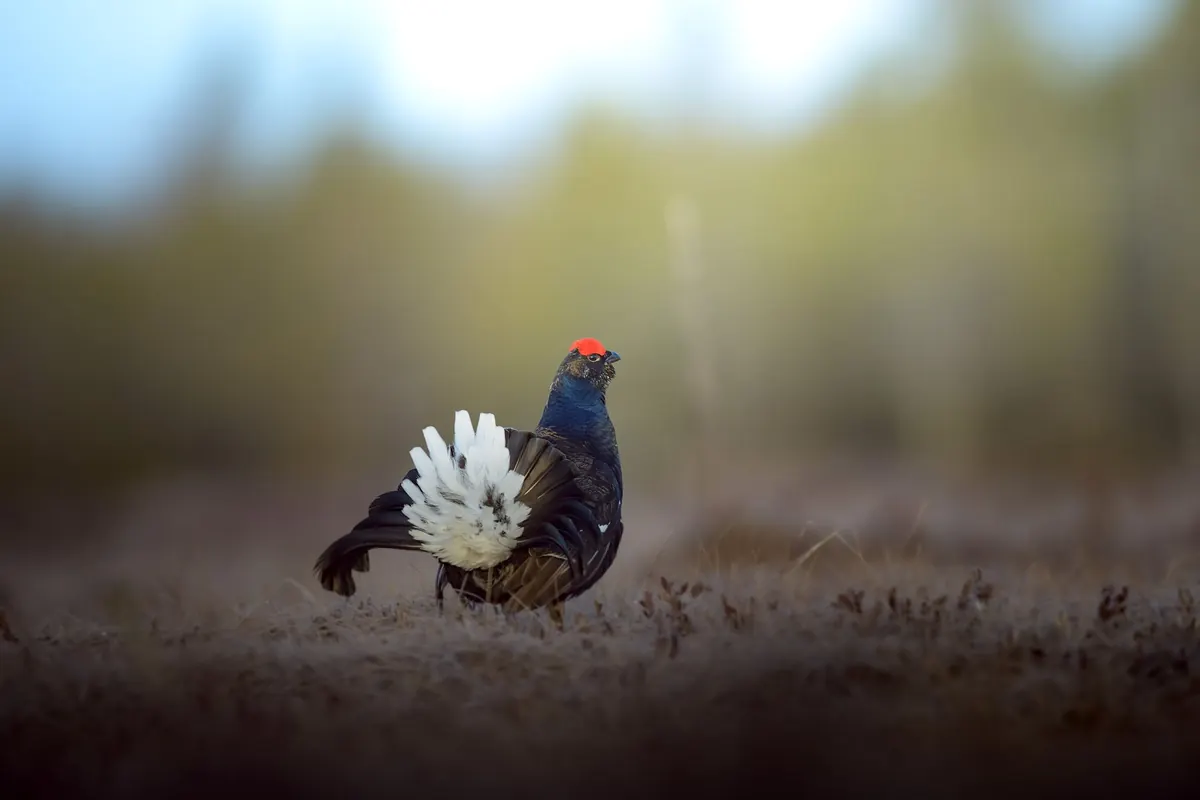
Winter is the season for fieldcraft rather than spectacle. Vegetation is cropped short by frost and grazing, so anything that is there tends to be visible. Red grouse are the moor's constant residents, feeding on heather shoots and gritting along tracks, often in loose coveys of five or six birds. Mountain hares, found in Scotland and parts of the northern Pennines, wear white coats that turn patchy as the weeks pass. Merlins dash low after meadow pipits, short-eared owls quarter rough ground in daylight, and snow buntings appear on the highest tops.
Look down as much as up. Fresh snow or wet peat records the night shift:
- Grouse droppings, pale and cylindrical, often on heather tops or beside gritting spots
- Mountain hare tracks: wide, heavily furred, with the long hind feet landing ahead of the front ones
- Red deer slots along the moor edge, and fox tracks running dead straight between walls
- Plucking posts where a merlin or peregrine has left a ring of small feathers
Early spring: the first basking adders
By late February and March, adders are the story. Males emerge first and lie out on south-facing slopes, dark and coiled against bracken litter, sometimes several within a few metres of each other. Females follow in April, and rival males perform their stiff wrestling displays. Curlews and golden plovers return to the breeding grounds in March, their calls carrying for a mile across still air, while lapwings tumble over the lower in-bye fields.
Adder watching rewards patience more than luck:
- Choose a bright morning after a cold night, between March and mid-April.
- Walk south- or east-facing slopes with bracken litter, tussocks, drystone walls or old stone banks.
- Scan slowly for a dark coil, then look for the zigzag or diamond pattern.
- Stay two or three metres away and use binoculars. Never handle an adder, and keep dogs clear.
Adders are venomous but bites are uncommon and rarely serious for a healthy adult. If anyone is bitten, keep them still, avoid cutting or sucking the wound, and get medical help the same day.
Late spring: ground nesters and the grouse clock
April and May are when the moor gets busy and careless walking does real damage. Curlew, golden plover, lapwing, snipe, redshank and, on the wettest highest ground, dunlin all nest on or close to the deck. Snipe drum overhead, the sound made by tail feathers in a dive. Meadow pipits are everywhere, which is just as well, because almost everything else depends on them.
Red grouse lay six to nine eggs from late April, and chicks hatch from late May into June. If a bird flushes close to you and stays nearby calling, or drags a wing, you are almost certainly near a nest or brood. Back away the way you came. Keep dogs on a short lead from March to July regardless of how steady they normally are.
Early summer: cuckoos, moths and cotton grass
June is green and full of small things. Cuckoos call from fence posts and lone hawthorns, having found the meadow pipit nests they rely on. Cotton grass stands white across the wet flushes. Bilberry is in flower and, where it grows, so is its specialist butterfly, the green hairstreak, a small, fast-flying scrap of green that almost never opens its wings. Emperor moths fly in spring sunshine, males scenting for females, and fox moth and northern eggar caterpillars feed in the open on heather and bilberry well into summer.
High summer: purple heather and its crowds
Bell heather usually opens first in July, followed by ling into August, and the moor turns from grey-green to a deep bruised purple. That colour is a food source: heather supports bumblebees, hoverflies and a suite of moths that feed on little else. Dark green fritillaries and small pearl-bordered fritillaries work the flowers on sheltered flanks. Mountain hares moult back to brown and become far harder to see.
In England, Scotland and Wales the red grouse season opens on 12 August, which means keepering activity and, on some estates, more people on the hill. Access rights still apply, but expect machinery, vehicles and dogs.
Autumn: red deer, berries and arrivals
The last warm weeks bring the rut. Red deer stags start bellowing from late September, gathering hinds on moorland edges and in the shallow valleys below. Heather goes over to seed heads and the first frosts tighten the ground. Fieldfares and redwings arrive from Scandinavia and strip rowan berries within days of landing; short-eared owls and merlins settle back onto the open ground for winter. Adders return to their hibernation banks in September and October, often reusing the same slope for years.
Getting the most from a moorland year
Most of the best sightings come from being out at the right hour and sitting still. The first two hours after dawn and the last two before dusk will always beat the middle of the day, and birds feed hard after rain. A pair of 8x42 binoculars is enough; a scope helps where ground is open and birds are distant.
Weather changes fast up there and phone signal is patchy. Take waterproofs, spare layers, water and a paper map, and tell someone your route. Whether you are on a public footpath or open access land, stay on the path through the breeding season, leave gates as you find them, and take litter home. Recording what you see is genuinely useful: curlew and golden plover counts submitted to a local records centre or a national recording scheme help show where these declining birds still hold on. Adders, grouse and short-eared owls will all tell you the same thing if you give them distance and time: go back to the same slope in a different month and it will be a different place.
Photo: ANA TINCA / Pexels
Related Articles