Hiking Trails
Moorland Hiking for Beginners: What to Wear, Pack, and Expect
The first time you step onto open moorland, the scale of it catches you out. One minute you are walking a track between dry stone walls, the next the land opens into heather, cotton grass and dark peat, with nothing taller than your knee for miles. It is glorious and it is exposed. Moorland asks a little more of you than a lowland footpath, mostly in clothing and attention. Get those two things right and a first walk becomes a habit.
Why moorland is different
Most beginner walks go wrong on exposure, not distance. Open moor gives you no hedge, no woodland and rarely a wall to shelter behind, so wind arrives at full strength and rain comes at you sideways. The ground is wetter than it looks, too. Blanket bog and peat hags hold water for weeks after rain, and even in a dry spell the tussocky grass soaks your boots from the top down. Paths can fade to a smear in the heather, or split into several faint lines that all look equally convincing. Phone signal is patchy at best. All of that is manageable with the right kit, a map, and a bit of humility about how far you can go.
What to wear
Layers you can add and remove
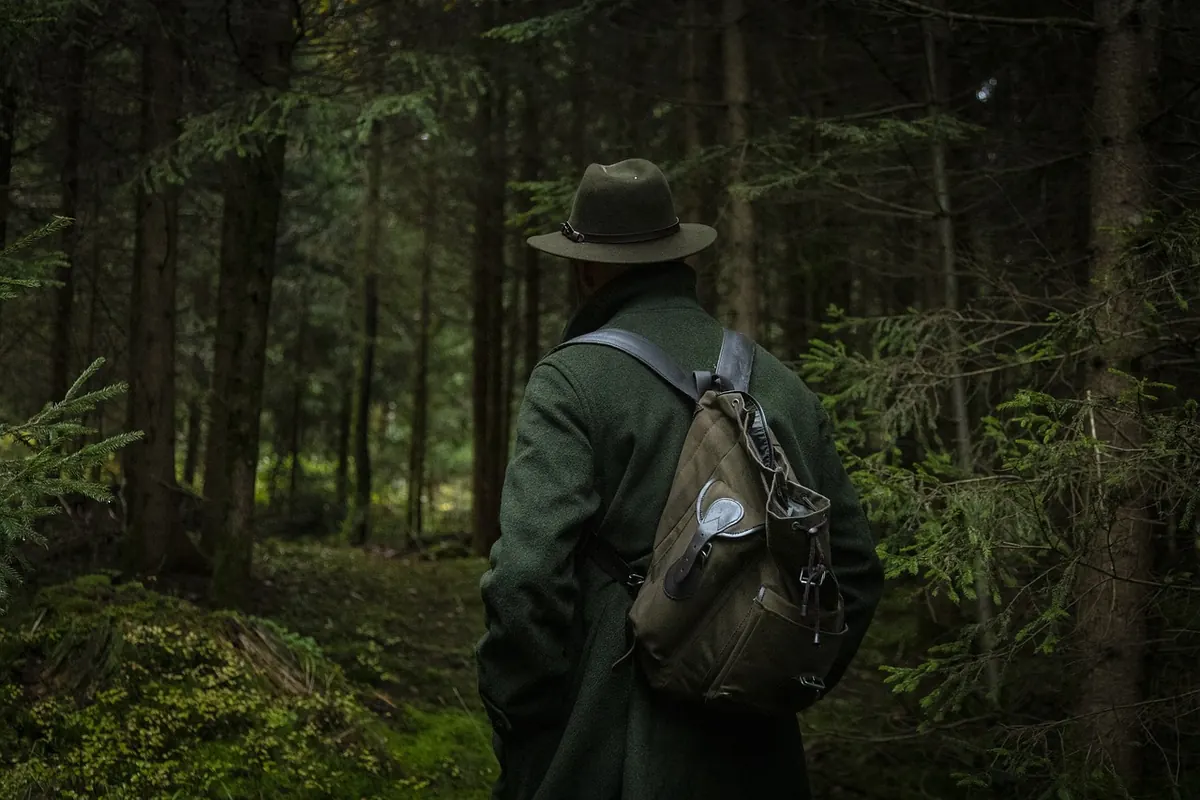
Start with a synthetic or merino base layer, not cotton. Cotton soaks up sweat, then holds it, then chills you the moment you stop. Over that, a fleece or light insulated mid layer, and over everything a waterproof shell with taped seams that packs down small. On a warm day you may walk in the base layer alone; on a windy ridge in June you might wear all three. That is normal.
Legs and feet
Walking trousers that dry quickly beat jeans every time. Gaiters are unfashionable and wonderful: they keep heather, mud and bog water out of your socks. Boots with a decent tread and some ankle support suit rough, uneven ground better than lightweight shoes, though plenty of people walk moors in sturdy trail shoes. Whichever you choose, break them in first and carry a spare pair of socks.
Add a hat, gloves and a light windproof layer even in summer. Wind chill on an exposed moor is real, and hands get cold fast when you stop to read a map.
What to pack for a half or full day
You do not need much, but you do need the right things.
- Paper map and compass of the area, plus a phone with offline maps as backup. Learn the compass basics before you go, not on the hill.
- Water: roughly a litre to a litre and a half for a half day, more in heat.
- Food you actually enjoy, plus a little extra in case you are delayed.
- Waterproof jacket and trousers, even if the forecast looks decent.
- Spare socks, a warm hat and gloves.
- Headtorch with fresh batteries, in case the day runs long.
- Whistle, foil emergency blanket and a small first aid kit, including blister plasters and tick tweezers.
- Power bank for your phone, because map apps drain batteries quickly.
- Sun cream and midge repellent in the warmer months.
If you have a heart or breathing condition, or you are returning from illness or injury, speak to a doctor before planning a long day out.
Finding your way when the path fades
Choose a route with a clear line to follow: a wall, a stream, a fence line or a marked bridleway. Then keep checking where you are rather than waiting until you are unsure. Stop every twenty minutes or so, match what you see to the map, and note the last feature you passed.
A few habits help:
- Set a turn-back time before you set off, and stick to it.
- Allow roughly an hour for every three kilometres on rough moorland, plus extra for climbs.
- Walk on a compass bearing instead of trying to follow a faint path.
- If visibility drops, stop, eat something and take a bearing. Wandering on to "just see over the next rise" is how people get lost.
Water flows downhill, which sounds helpful and often is not: following a stream tends to lead you into the deepest, wettest bog on the moor.
Weather, daylight and turning back
Hill forecasts differ from town forecasts, so check one for the area and height you are walking. Cloud can drop onto the moor within minutes and turn a familiar view into grey nothing. In winter, daylight is short and the ground can be frozen hard on top and liquid underneath.
Decide your conditions for turning back before you leave: heavy rain, cloud sitting on the tops, wind strong enough to push you off balance, or a slower pace than planned. Turning around is a skill, not a failure, and it keeps a good day from becoming a story you tell reluctantly.
What a first moorland walk actually feels like
Expect to be slower than the map suggests. Expect wet feet unless you have gaiters and luck. Expect sheep, ground-nesting birds such as curlew and lapwing, and very few other people. In spring, keep dogs on a lead so they do not disturb nests. Take everything home with you, since moors rarely have bins, and close gates behind you.
A simple plan for your first route
Pick a short loop of four to six kilometres on a marked path, ideally starting from a village or a visitor centre car park. Go with someone. Tell a friend where you are heading and when you expect to be back. Start early, take the kit list seriously, and turn back if the weather changes. Do that once and the next walk gets easier, longer and considerably more enjoyable.
Photo: mila-del-monte / Pixabay
Related Articles